Lighting Types
Lighting Types Explained
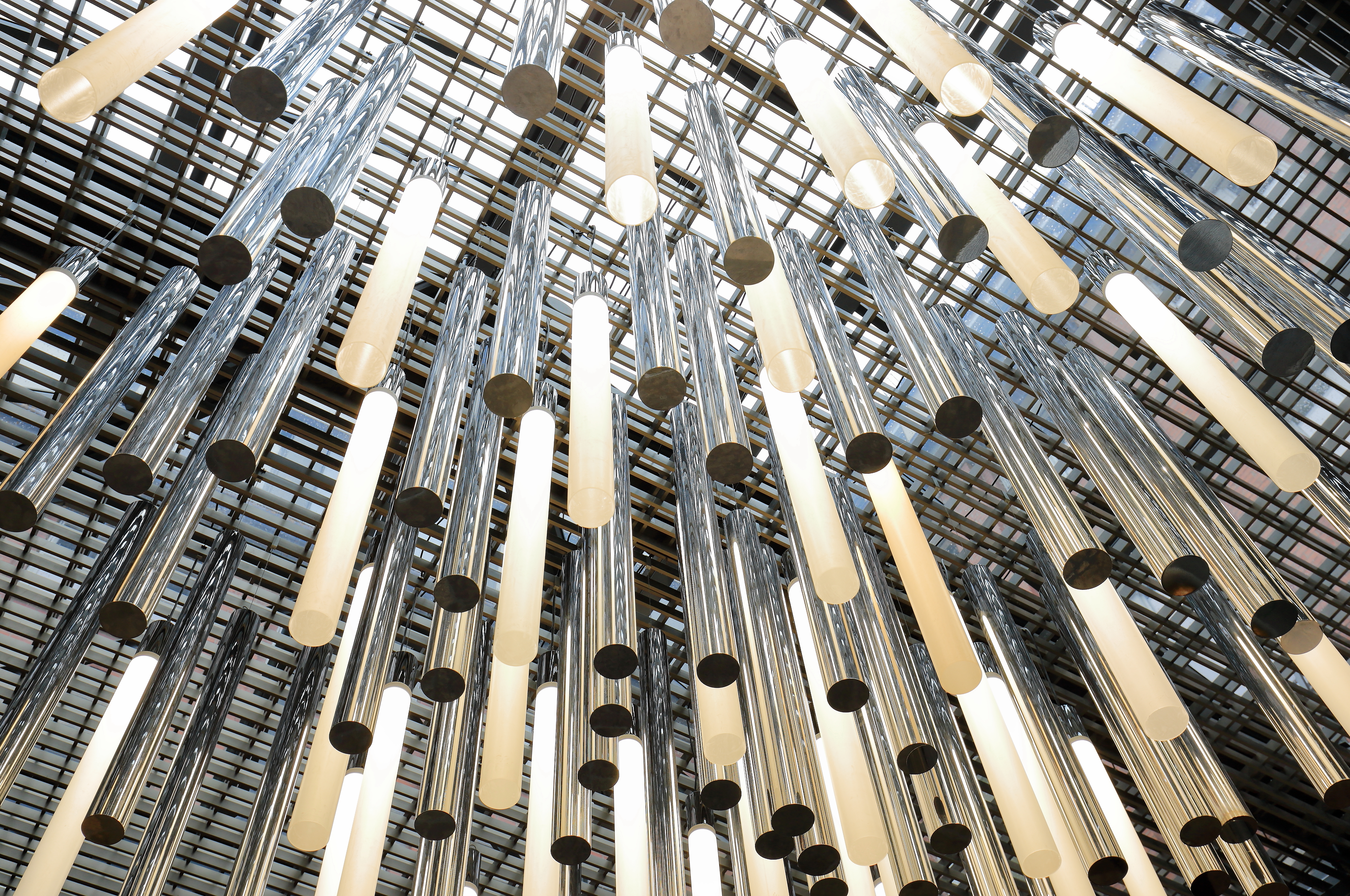
Lighting feels complicated until it is broken into the jobs it performs. Designers usually group home lighting into three layers, and almost every fixture you can buy fits cleanly into one of them. Understanding the layers first makes the rest of the choices, from fixture style to bulb colour, far simpler.
The three layers
Each layer answers a different question about a room.
- Ambient sets the general level of light so the space is usable and safe to move through.
- Task adds focused brightness exactly where detailed work happens.
- Accent highlights a specific object or surface, adding depth rather than overall brightness.
Ambient lighting
Ambient light is the baseline. In many Canadian homes it comes from a ceiling-mounted fixture: a flush mount in a hallway, a semi-flush in a bedroom, or recessed downlights across an open-plan main floor. A chandelier in a dining room is also ambient, even though it doubles as a decorative centrepiece.
Quick check
If you removed the fixture and the room became hard to navigate, it was carrying the ambient layer.
Task lighting
Task lighting is placed where you read, cook, work, or groom. A pendant hung over a kitchen island, under-cabinet strips along a counter, a desk lamp, and a bathroom vanity fixture are all task lights. The defining feature is position: the light is close to the activity and aimed at it.

Accent lighting
Accent lighting is the most optional layer and the one that adds character. Directional recessed heads can wash a textured wall, a picture light can frame artwork, and wall sconces can throw soft pools of light along a hallway. Accent light is usually brighter than the ambient layer in its small target area, which is what makes the highlighted object stand out.
Common fixture families
| Fixture | Usual layer | Typical room |
|---|---|---|
| Flush / semi-flush mount | Ambient | Bedrooms, hallways |
| Recessed downlight | Ambient or accent | Living areas, kitchens |
| Pendant | Task or ambient | Islands, dining tables |
| Track lighting | Task or accent | Kitchens, studios |
| Wall sconce | Accent or ambient | Hallways, living rooms |
| Chandelier | Ambient | Dining, entryways |
Putting the layers together
A comfortable room rarely relies on one fixture. A kitchen might pair recessed ambient lights with pendants over the island and under-cabinet task strips. A living room could combine a central fixture, a couple of sconces, and a floor lamp by a reading chair. Controlling these layers on separate switches or dimmers lets the same room shift between bright and relaxed without rewiring.
Notes for Canadian homes
Older houses across the country sometimes have a single ceiling box per room and limited switch locations, which shapes what is practical without new wiring. When a plan calls for added circuits, dimmers, or new boxes, that work falls under the Canadian Electrical Code and provincial permit rules. General information from Natural Resources Canada is a useful starting point for the energy side of the decision.